Why Is My Hair Falling Out? 15 Common Causes (And What You Can Do About It)

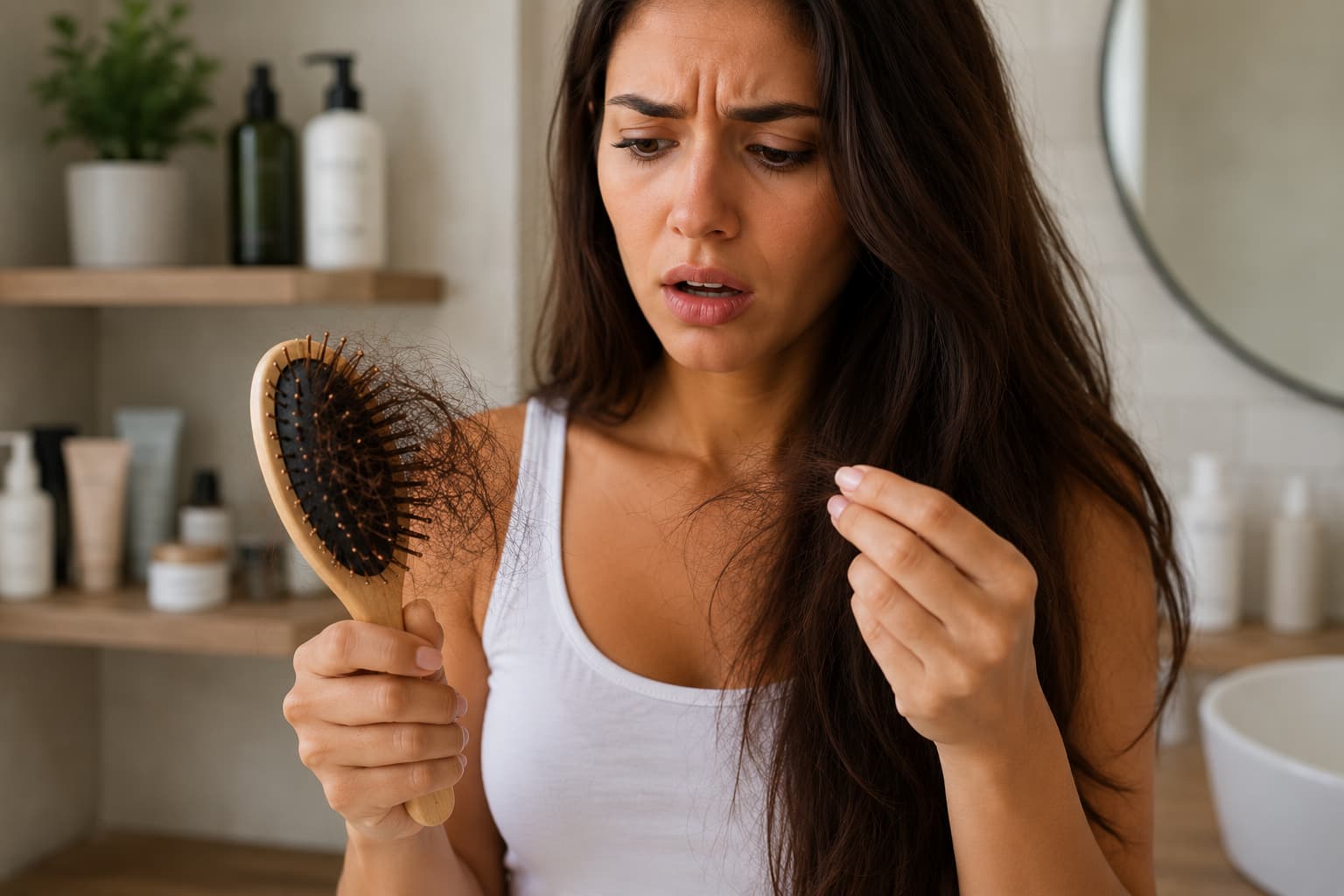
Finding more hair than usual on your hairbrush, pillow or in the shower can be worrying. Whether you’re noticing a widening part, thinning around your hairline or more hair shedding than normal, you’re certainly not alone.
Hair loss affects millions of people worldwide, and while it’s often associated with ageing, it can happen at almost any stage of life. The good news is that not all hair loss is permanent. In many cases, identifying the underlying cause early and making the right changes can help encourage healthier, stronger hair over time.
It’s also important to remember that losing some hair every day is completely normal. Most people naturally shed between 50 and 100 hairs daily as part of the normal hair growth cycle. Problems usually arise when more hair enters the shedding phase than the growing phase, or when new hair isn’t replacing the strands that have fallen out.
Hair growth is influenced by many factors, including your diet, hormones, stress levels, genetics, scalp health and the products you use. That’s why there isn’t a single solution that works for everyone. Understanding the reason behind your hair loss is the first step towards choosing the right approach.
In this guide, we’ll explore the 15 most common causes of hair loss, explain how to recognise each one, and share practical tips that may help you restore healthier-looking hair.
Understanding the Hair Growth Cycle
Before looking at the causes of hair loss, it helps to understand how hair naturally grows.
Every strand of hair goes through four stages:

Anagen (Growing Phase)
This is the active growth stage and can last anywhere from 2 to 7 years. Around 85–90% of the hairs on your scalp are usually in this phase.
The longer your hair stays in the anagen phase, the longer it can grow.
Catagen (Transition Phase)
This short phase lasts around two to three weeks.
The hair follicle begins shrinking and separates from its blood supply.
Telogen (Resting Phase)
The follicle rests for approximately three months while a new hair begins
forming underneath.
Exogen (Shedding Phase)
Eventually the old hair falls out naturally, allowing the new hair to grow in its place.
Problems occur when too many hairs enter this stage at once.

Causes

1. Stress
One of the most common reasons people suddenly notice increased hair shedding is stress.
Major life events such as:
- Losing a loved one
- Surgery
- Illness
- Divorce
- Financial pressure
- Emotional trauma
can push large numbers of hair follicles into the resting phase at the same time.
This condition is known as telogen effluvium.
Instead of shedding gradually, many hairs begin falling out two to three months after the stressful event.
Signs
- Hair coming out in the shower
- Hair on your pillow
- Increased shedding when brushing
- Thinning all over the scalp
What Can Help
- Prioritise sleep.
- Eat a balanced diet rich in protein.
- Manage stress through exercise, mindfulness or relaxation techniques.
- Be patient—stress-related shedding often improves once the underlying trigger has passed.
2. Hormonal Changes
Hormones play a major role in regulating the hair growth cycle.
Changes in hormone levels can temporarily or permanently affect hair growth.
Common examples include:
- Pregnancy
- Childbirth
- Menopause
- PCOS (Polycystic Ovary Syndrome)
- Thyroid disorders
- Starting or stopping hormonal contraception
Many women experience increased hair shedding around three months after giving birth. Fortunately, this is usually temporary.
Signs
- Hair thinning around the temples
- Widening part line
- General thinning over the scalp
What Can Help
- Speak to your healthcare provider if you suspect a hormonal imbalance.
- Ensure you’re eating enough iron and protein.
- Use gentle hair care products designed to support scalp and hair health.
3. Genetics

Unfortunately, genetics is one factor we can’t change.
If close family members have experienced hair thinning or pattern hair loss, there’s a greater chance you may experience it too.
Genetic hair loss usually develops gradually rather than suddenly.
Women often notice:
- A wider part
- Reduced volume
- Thinner ponytail
Men typically notice:
- Receding hairline
- Thinning crown
- Bald patches
What Can Help
Although genetic hair loss can’t always be prevented, early intervention may help preserve existing hair for longer.
Maintaining a healthy scalp, reducing hair damage and following a consistent hair care routine may all contribute to healthier-looking hair.
4. Poor Nutrition
Healthy hair needs nutrients to grow.
Crash dieting or nutrient deficiencies may interrupt the normal hair growth cycle.
Hair follicles are among the fastest-growing structures in the body, making them particularly sensitive to poor nutrition.
Nutrients commonly linked to healthy hair include:
- Protein
- Iron
- Zinc
- Vitamin D
- Biotin
- Vitamin B12
- Omega-3 fatty acids
Signs
- Diffuse thinning
- Brittle hair
- Slow hair growth
- Hair breaking easily

What Can Help
Eat a balanced diet rich in:
- Lean proteins
- Eggs
- Fish
- Leafy greens
- Nuts
- Seeds
- Colourful vegetables
If you suspect a deficiency, speak to a healthcare professional before starting supplements.

5. Heat Styling & Chemical Damage
Frequent use of:
- Hair straighteners
- Curling irons
- Blow dryers
- Hair bleach
- Permanent colouring
- Chemical relaxing treatments
can weaken the hair shaft.
Although these don’t usually damage the follicle itself, they can make hair snap off, making it appear as though your hair isn’t growing.
This is actually hair breakage rather than true hair loss.
Signs
- Split ends
- Short broken hairs
- Dry, rough texture
- Hair snapping while brushing
What Can Help
- Reduce heat styling where possible.
- Always use a heat protectant.
- Deep-condition regularly.
- Trim split ends before they travel further up the hair shaft.
- Choose sulphate-free shampoos and nourishing conditioners to help maintain moisture and reduce further damage.
6. Iron Deficiency
Iron deficiency is one of the most common nutritional causes of hair loss, particularly in women.
Iron helps your body produce haemoglobin, which carries oxygen to your cells—including your hair follicles. Without enough oxygen and nutrients, hair follicles may enter the resting (telogen) phase too early, leading to increased shedding.
Women who have heavy menstrual cycles, are pregnant, have recently given birth, or follow restrictive diets are at higher risk of iron deficiency.
Signs
- Increased hair shedding
- Constant tiredness or fatigue
- Pale skin
- Brittle nails
- Feeling cold often
- Dizziness
What Can Help
- Eat more iron-rich foods such as lean red meat, spinach, lentils and beans.
- Pair iron-rich foods with vitamin C to improve absorption.
- Speak to your healthcare provider if you suspect an iron deficiency—they may recommend a blood test before taking supplements.
7. Thyroid Conditions
Your thyroid gland controls many of your body’s functions, including metabolism and hair growth.
Both an underactive thyroid (hypothyroidism) and an overactive thyroid (hyperthyroidism) can disrupt the hair growth cycle and cause thinning across the scalp.
The good news is that hair often improves once the thyroid condition is diagnosed and managed.
Signs
Hypothyroidism may include:
- Hair thinning
- Dry skin
- Weight gain
- Fatigue
- Feeling cold
- Constipation
Hyperthyroidism may include:
- Hair thinning
- Weight loss
- Anxiety
- Rapid heartbeat
- Excessive sweating
What Can Help
If you notice hair loss along with any of these symptoms, it’s worth discussing thyroid testing with your healthcare provider.

8. Certain Medications
Some prescription medications list hair loss as a possible side effect.
This doesn’t mean everyone will experience it, but some medicines can temporarily interrupt the normal hair growth cycle.
Examples include certain medications for:
- High blood pressure
- Depression and anxiety
- Acne
- Blood thinning
- Arthritis
- Chemotherapy
- Hormonal treatments
Hair loss usually begins several weeks or months after starting a new medication.
What Can Help
Never stop taking prescribed medication without first speaking to your doctor.
If you suspect your medication is contributing to hair loss, your healthcare provider may be able to suggest an alternative.
9. Tight Hairstyles
Constant tension on the hair can gradually damage the hair follicles.
This condition is known as traction alopecia.
Hairstyles that may contribute include:
- Tight ponytails
- Braids
- Cornrows
- Tight buns
- Hair extensions worn continuously
If caught early, traction alopecia is often reversible. However, prolonged pulling may permanently damage the follicle.
Signs
- Receding hairline
- Thinning around the temples
- Broken hairs around the edges
- Tender scalp
What Can Help
- Alternate your hairstyles regularly.
- Wear looser styles whenever possible.
- Avoid sleeping with tight hairstyles.
- Give your scalp regular breaks from extensions or braids.
10. Ageing
As we get older, changes in hormone levels and the natural ageing process can affect both the number and size of hair follicles.
Hair often becomes:
- Finer
- Thinner
- Drier
- Slower growing
Women frequently notice this after menopause, while men may experience progressive male pattern hair loss.
Although ageing cannot be stopped, maintaining good scalp health and reducing unnecessary damage can help keep hair looking fuller for longer.
What Can Help
- Eat a nutrient-rich diet.
- Stay hydrated.
- Protect hair from excessive heat.
- Choose gentle sulphate-free products.
- Follow a consistent hair care routine.
11. Scalp Conditions
Healthy hair starts with a healthy scalp.
Conditions affecting the scalp may interfere with healthy hair growth if left untreated.
Examples include:
- Dandruff
- Seborrhoeic dermatitis
- Psoriasis
- Fungal infections
- Excess oil build-up
- Inflamed hair follicles
Signs
- Itching
- Flaking
- Redness
- Tender scalp
- Oily scalp
- Hair shedding
What Can Help
Treating the underlying scalp condition often improves the environment needed for healthy hair growth.
Keeping the scalp clean, avoiding harsh products and using appropriate treatments where necessary may help restore scalp health.

12. Rapid Weight Loss
Losing a significant amount of weight in a short period places stress on the body.
Whether due to surgery, illness or a very low-calorie diet, rapid weight loss can trigger temporary hair shedding.
This is again commonly due to telogen effluvium.
Hair loss typically appears two to four months after the weight loss begins.
What Can Help
Aim for gradual, sustainable weight loss and ensure you’re consuming enough:
- Protein
- Iron
- Healthy fats
- Vitamins and minerals
Most people notice improvement once their nutrition stabilises.
13. Hard Water
Many people don’t realise that the quality of the water they wash their hair with can influence how it looks and feels.
Hard water contains high levels of minerals such as calcium and magnesium. These minerals can build up on the hair over time, making it feel rough, dull and difficult to manage.
While hard water isn’t generally considered a direct cause of permanent hair loss, the build-up can contribute to increased breakage, dryness and the appearance of thinner hair.
Signs
- Dry hair
- Hair tangles easily
- Dull appearance
- Hair feels coated
- Increased breakage
What Can Help
- Use a clarifying shampoo occasionally to remove mineral build-up.
- Install a shower filter if hard water is common in your area.
- Follow with a nourishing conditioner or hair mask to restore moisture.
14. Seasonal Hair Shedding
Believe it or not, many people notice slightly increased hair shedding during certain times of the year, particularly towards late summer and early autumn.
Researchers are still studying why this happens, but it appears to be a natural cycle in some individuals.
Seasonal shedding is usually temporary and not a cause for concern.
Signs
- Mild increase in daily hair shedding
- No obvious bald patches
- Hair returns to normal after a few months
What Can Help
Continue following a healthy hair care routine and avoid unnecessary stress over temporary shedding.

15. Hair Care Mistakes

Sometimes, everyday habits can gradually weaken the hair and contribute to unnecessary breakage.
Common mistakes include:
- Washing with very hot water
- Overwashing
- Using harsh shampoos
- Brushing wet hair aggressively
- Skipping conditioner
- Excessive heat styling
- Tight hairstyles every day
- Not trimming split ends
Small changes to your routine can make a significant difference over time.
What Can Help
Choose products suited to your hair type, handle wet hair gently and focus on maintaining both scalp and hair health.
Is Hair Loss Always Permanent?
No. In fact, many forms of hair loss are temporary.
Hair often recovers once the underlying cause has been addressed.
Examples of temporary hair loss include:
- Stress-related shedding
- Postpartum hair loss
- Nutrient deficiencies
- Illness
- Certain medications
- Seasonal shedding
However, if you notice persistent thinning, bald patches, or sudden severe hair loss, it’s important to seek professional medical advice for an accurate diagnosis.


How to Identify the Cause of Your Hair Loss
If you’re unsure why your hair is falling out, start by asking yourself these questions:
Did it start suddenly?
A sudden increase in shedding may be linked to:
- Stress
- Illness
- Surgery
- Childbirth
- Rapid weight loss
- Certain medications

Has it been getting thinner over several years?
Gradual thinning is more commonly associated with:
- Genetics
- Ageing
- Hormonal changes
Is your hair breaking rather than falling out?
If you notice lots of short broken hairs, split ends or rough texture, you may be dealing with hair breakage rather than hair loss.
Common causes include:
- Bleaching
- Heat styling
- Chemical treatments
- Tight hairstyles
- Lack of moisture

Do you have other symptoms?
Other symptoms can provide important clues.
Examples include:
- Constant tiredness
- Heavy menstrual periods
- Weight changes
- Dry skin
- Itchy scalp
- Flaking
- Recent illness
- Increased stress
If you’re unsure of the cause, it’s worth speaking to your healthcare provider, who may recommend blood tests or further assessment.
7 Simple Tips to Support Healthy Hair Growth
While the right solution depends on the cause of your hair loss, these habits can help create the best environment for healthier hair.
1. Eat Enough Protein
Hair is made primarily of a protein called keratin.
Aim to include quality protein sources such as eggs, fish, lean meat, dairy, beans or legumes in your daily diet.
2. Look After Your Scalp
Healthy hair starts with a healthy scalp.
Keep your scalp clean, avoid heavy product build-up and choose gentle products that suit your hair type.
3. Avoid Excessive Heat
Reduce the use of:
- Straighteners
- Curling irons
- Very hot blow dryers
Always apply a heat protectant before styling.
4. Be Gentle With Wet Hair
Hair is at its weakest when wet.
Instead of pulling a brush through wet hair, gently detangle from the ends upwards using a wide-toothed comb.
5. Reduce Stress
While it’s not always possible to eliminate stress, activities such as walking, yoga, meditation or regular exercise may help support overall wellbeing.
6. Be Patient
Hair grows slowly.
On average, scalp hair grows around 1–1.5 cm per month, so visible improvements often take several months.
Consistency is key.
7. Choose Products That Support Healthy Hair
Using products that cleanse gently, help maintain moisture and support a healthy scalp can make a meaningful difference to the condition and appearance of your hair over time.


Frequently Asked Questions
How much hair loss is normal each day?
Most people naturally lose between 50 and 100 hairs per day.
Can stress really make your hair fall out?
Yes.
Significant emotional or physical stress can trigger temporary hair shedding known as telogen effluvium.
Does washing your hair cause hair loss?
No.
Washing simply removes hairs that have already reached the shedding stage.
Can sulphate-free shampoo help?
For many people, sulphate-free shampoos are gentler on the scalp and hair, helping to reduce dryness and maintain moisture. While they won’t cure medical hair loss, they may support healthier-looking hair by minimising unnecessary damage.
Can vitamins stop hair loss?
Hair vitamins may be beneficial if your hair loss is related to a nutritional deficiency. They are not a cure for every type of hair loss, so it’s important to identify the underlying cause.
How long does it take to see healthier-looking hair?
Hair grows gradually. Many people notice improvements in the condition and appearance of their hair after following a consistent hair care routine for several months, although results vary depending on the individual and the cause of the hair loss.
Final Thoughts
Hair loss can feel frustrating, but it’s important to remember that it often has an identifiable cause.
Whether it’s stress, hormones, nutrition, genetics or everyday hair care habits, understanding what’s happening is the first step towards making informed decisions about your hair.
If you’re concerned about sudden or severe hair loss, or if your hair loss is accompanied by other symptoms, consult a healthcare professional for personalised advice.
With the right routine, patience and healthy habits, many people are able to improve the overall health, strength and appearance of their hair over time.

How Bellas Can Support Your Hair Care Routine
At Bellas, we believe that healthy hair starts with consistency and gentle care.
Our hair care range has been developed to help support healthy-looking hair and includes:
- Growth Stimulating Shampoo – Cleanses the scalp while helping maintain a healthy environment for hair.
- Repair & Protect Conditioner – Helps moisturise and reduce breakage, leaving hair softer and more manageable.
- High-Intensity Rapid Growth Treatment – Designed to complement your hair care routine with targeted nourishment.
- High-Potency Hair Growth Vitamins – Formulated with carefully selected nutrients to support healthy hair from within.
- Deep Conditioning Hair Mask – Helps restore moisture to dry or damaged hair.
- Hair Serum – A lightweight leave-in product for targeted application.
Explore the Bellas Hair Growth Collection to find the products that best suit your hair care routine.